Incident Response Plan Testing: A Practical Guide
An untested incident response plan is just a document. Regular testing reveals gaps, builds muscle memory, and ensures your team can respond effectively when a real incident occurs.
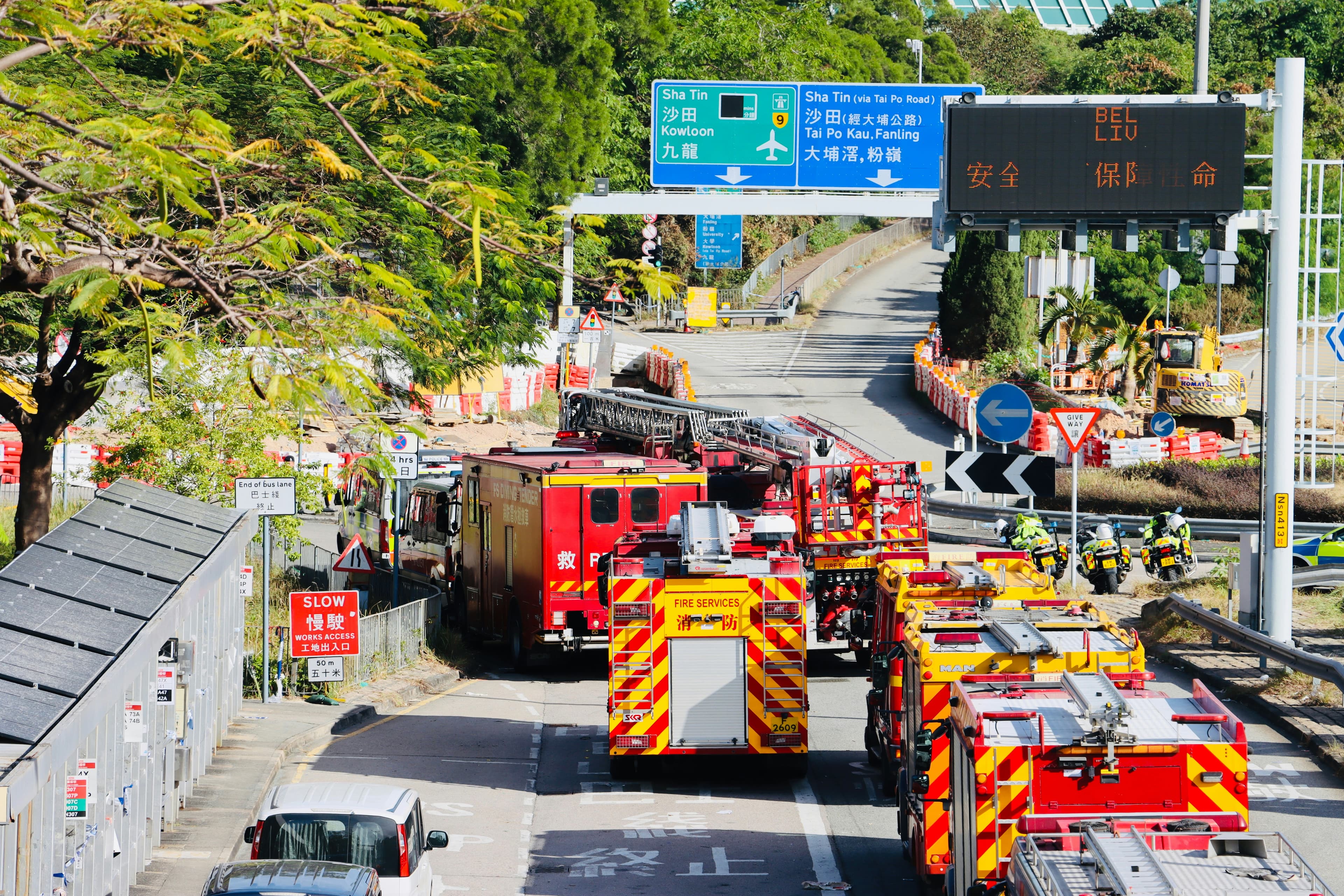
Most frameworks (PCI DSS, ISO 27001, DORA) require annual incident response testing. But compliance aside, testing is essential for operational readiness.
Types of Testing
Level 1: Plan Review
Document review to verify completeness and accuracy. Low effort, limited value.
Level 2: Tabletop Exercise
Discussion-based walkthrough of a scenario. Moderate effort, high value for identifying gaps.
Level 3: Functional Exercise
Simulated incident with actual system interaction. Higher effort, tests technical capabilities.
Level 4: Full-Scale Drill
Real-time simulation involving all stakeholders. Highest effort, most realistic assessment.
Tabletop Exercises
Tabletop exercises are the most practical starting point. They're low-cost, low-risk, and highly effective at identifying gaps.
Planning the Exercise
- Define objectives: What do you want to test or learn?
- Select participants: Include all relevant stakeholders
- Develop scenario: Realistic, relevant to your organisation
- Prepare injects: Information revealed as the scenario progresses
- Assign facilitator: Someone to guide discussion and track time
Sample Ransomware Scenario
- Phase 1 - Detection (15 mins): IT helpdesk receives reports of encrypted files. How do you confirm this is ransomware? Who do you notify?
- Phase 2 - Containment (20 mins): Ransomware is spreading. What containment actions do you take? How do you balance containment with business continuity?
- Phase 3 - Communication (15 mins): Media are calling. Customers are asking questions. Regulators need notification. How do you manage communications?
- Phase 4 - Recovery (20 mins): Threat is contained. How do you prioritise recovery? What's your position on ransom payment?
Facilitation Tips
- Keep discussion focused but allow exploration of issues
- Encourage participation from quieter attendees
- Note disagreements and gaps for follow-up
- Avoid "solving" the scenario—focus on process
- Time-box each phase to maintain momentum
Functional Exercises
Functional exercises involve actual system interaction without impacting production:
- Test backup restoration procedures
- Verify communication channels work
- Practice forensic evidence collection
- Test failover and recovery procedures
- Validate vendor contact information
When did you last actually restore from backup? Many organisations discover their backups are incomplete or corrupted only during a real incident.
What to Test
Technical Capabilities
- Detection and alerting mechanisms
- Isolation and containment procedures
- Forensic collection capabilities
- Backup and recovery processes
- Alternative communication channels
Process and Coordination
- Escalation procedures and thresholds
- Decision-making authority
- Cross-team coordination
- External communication protocols
- Regulatory notification procedures
Common Gaps Discovered
Testing consistently reveals these issues:
- Contact information: Out-of-date phone numbers and email addresses
- Authority: Unclear who can make critical decisions
- Dependencies: Unknown reliance on specific individuals or systems
- Communication: No backup if primary channels are compromised
- Third parties: Vendor response times and capabilities unknown
- Documentation: Procedures that don't match current systems
After the Exercise
Debrief Structure
- What worked well? Identify strengths to maintain
- What didn't work? Gaps and failures to address
- What was confusing? Areas needing clarification
- What was missing? Resources or capabilities needed
Action Items
Every exercise should produce:
- Prioritised list of improvements
- Owners and deadlines for each action
- Updates to the incident response plan
- Training needs identified
- Date for next exercise
Testing Frequency
- Tabletop exercises: Quarterly, rotating scenarios
- Functional tests: Semi-annually for critical procedures
- Full-scale drills: Annually
- Plan reviews: After any significant change
Conclusion
Incident response testing isn't about passing or failing—it's about learning and improving. Every exercise reveals something valuable, whether it's a gap in your plan, a training need, or a process that works better than expected.
Start with tabletop exercises if you haven't tested recently. They're low-effort, high-value, and build the foundation for more complex testing. The goal is continuous improvement, not perfection.
Share this article